
 Via Mia Pizza
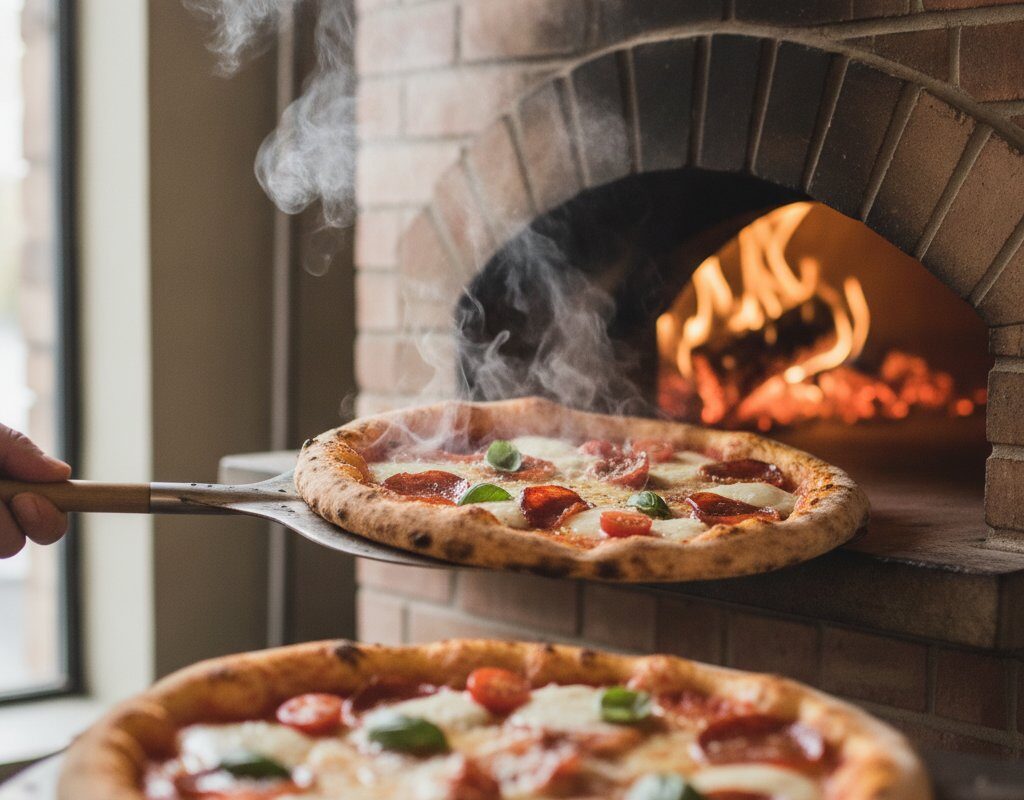
Fresh Halal Pizza San Jose: Inside Via Mia’s Ingredient Promise
Quick Answer: fresh halal pizza san jose tastes better because locally sourced, halal-certified meats and farm-fresh produce reach the oven with more flavor, higher nutrient retention, and consistent quality, and Via Mia Camden Ave builds that result through supplier vetting, tight cold chains, and a repeatable prep-and-bake routine focused on consistency.
Why the aroma matters (and why we start there)
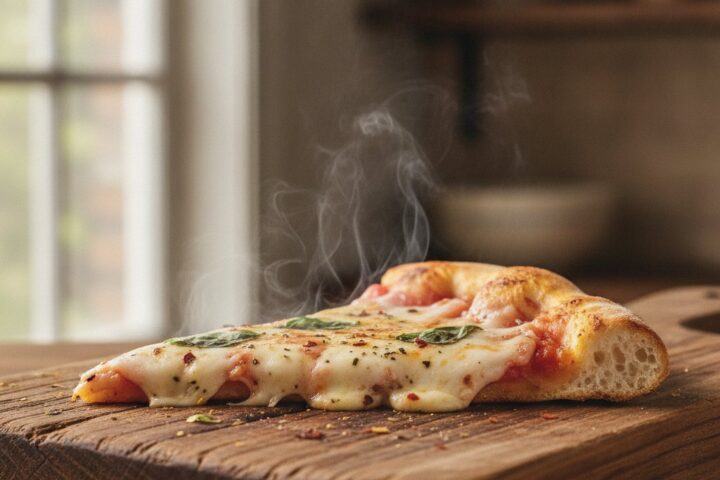
The first thing customers notice is the aroma when the box opens. That scent comes from volatile oils in herbs, sugars caramelizing in the crust, and properly aged cheese releasing lactic notes. We treat aroma as a signal — it tells us whether ingredients were fresh and handled correctly before baking. A clear, strong aroma means the supply chain and prep were tight.
Fresh halal pizza san jose: our sourcing philosophy
Short answer: we buy local where it makes sense and insist on traceable, halal-certified protein.
For takeout kitchens like Via Mia – Camden Ave, freshness begins before the prep table. We source produce within about 50 miles when the season allows it. For protein, suppliers must provide current halal certificates plus shipment traceability. That cuts transit time and reduces cold-chain risks.
Context: the FDA defines ingredients as the raw parts of a finished food product; those inputs change quickly after harvest or slaughter, and that affects both flavor and safety. See the FDA guide on food ingredients for more on why provenance matters.
How does Via Mia source halal-certified meats?
Short answer: visible certificates, shipment timestamps, and supplier contact info are mandatory before we accept meat.
We use a five-point checklist whenever a new supplier offers product:
- Request a scanned copy of the current halal certificate and supplier contact details.
- Check the certificate issue date and the certifier; note renewal cycles.
- Require shipment paperwork with timestamps and lot numbers.
- Reject any shipment showing cold-chain breaches (temperatures above thresholds).
- Perform a sample audit during the first 30 days of partnership.
Documentation is the on-ramp to every order: no certificate, no acceptance.
What steps keep fresh pizza toppings vibrant?
Short answer: fast processing, controlled humidity, and applying finishing touches right before boxing.
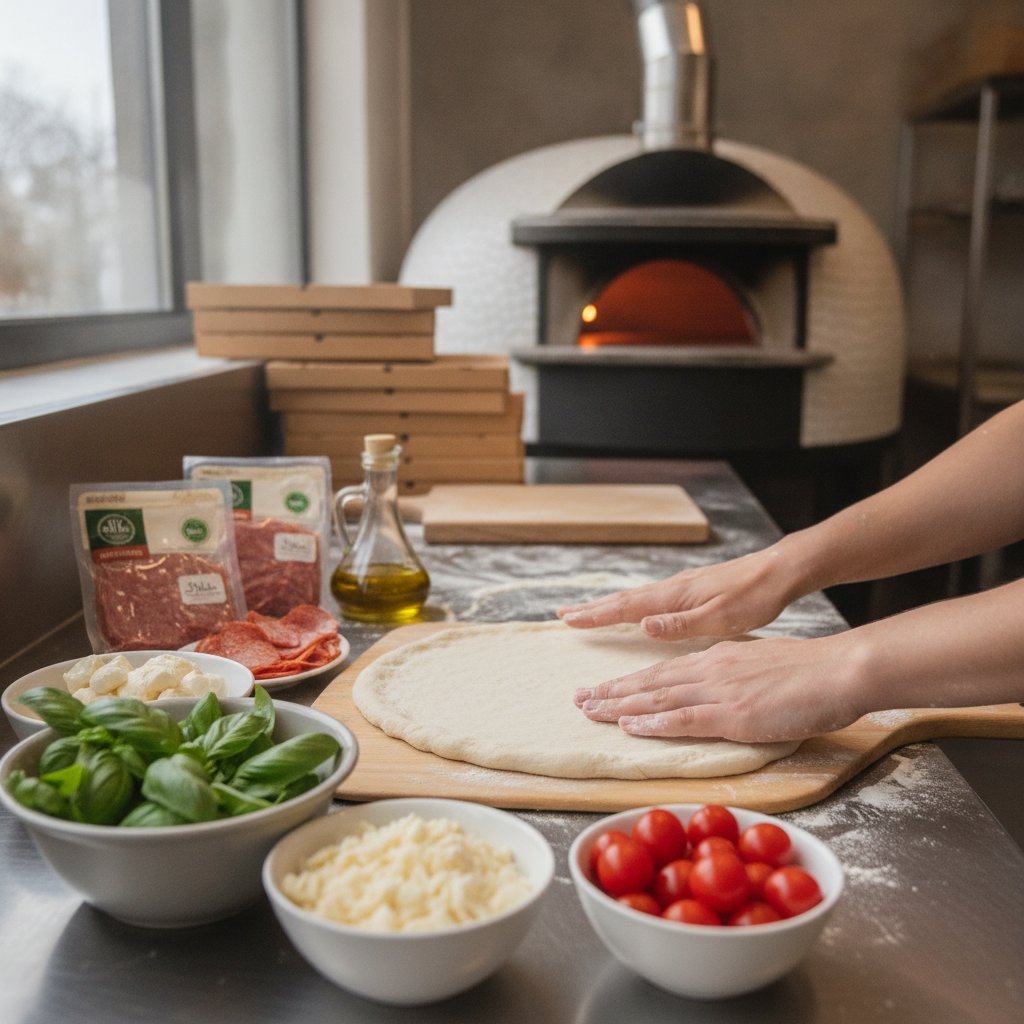
After delivery we inspect and process produce within two hours: trim, portion, and store on perforated trays at 36–40°F with about 85% relative humidity for leafy greens, and 38–42°F for peppers and onions. Cheese sits at 36–40°F in sealed containers to avoid drying. Protein gets portioned and refrigerated immediately. We place perishable toppings on the line no more than 10–20 minutes before assembly so they go into the oven at peak condition.
Keeping toppings cold but not soggy preserves crunch and bright flavor through bake and delivery.
Our exact pizza-making process: numbered, repeatable steps
Short answer: we follow measured steps so every pie tastes the same.
- Daily intake: verify invoices, certificates, and delivery temps; reject on-dock temps above 41°F for refrigerated items.
- Dough: mix to 60–62% hydration, rest 20–30 minutes, portion into 200–280g balls depending on size, then cold ferment 18–48 hours at 36–40°F for flavor.
- Sauce: cook tomatoes with 2% salt by weight, finish with fresh basil off-heat to preserve aromatics.
- Topping prep: portion proteins and vegetables; move perishable toppings to the line no more than 20 minutes before assembly.
- Assembly: hand-stretch dough to a 10–12″ or 14–16″ disc; apply sauce thinly (80–120g), then cheese (100–180g) and toppings as ordered.
- Bake: deck oven at 500–550°F; bake 5–8 minutes depending on size and load, rotating once at midpoint for even browning.
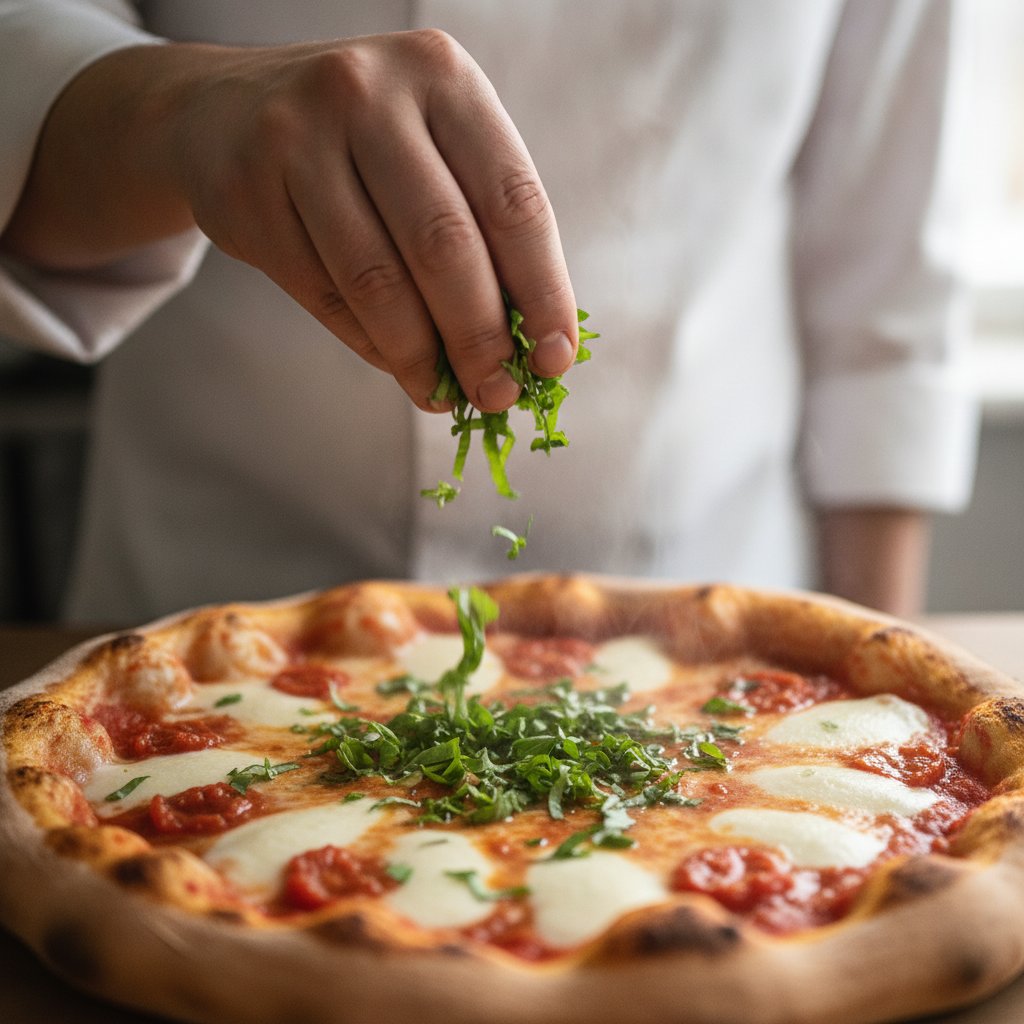
- Finish: add fresh herbs, a light oil drizzle, and cool 60–90 seconds before boxing to avoid steam sogginess.
These figures match thresholds used across busy takeout kitchens to balance speed and flavor. Consistency comes from measuring, not guessing.
Fresh vs. frozen ingredients — a quick comparison
| Attribute | Fresh (local) | Frozen | Impact on final pizza |
|---|---|---|---|
| Texture | Brighter, firmer | Softer after thaw | Crunch and bite survive bake with fresh toppings |
| Flavor | Higher volatile compound profile | Muted aromatic notes | Fresh ingredients produce stronger aroma and layered flavors |
| Nutrition | Better retention of vitamins | Some nutrient loss during freezing | Perceived as healthier by regular customers |
| Cost | Higher seasonally, lower transit cost | Lower unit cost, higher storage cost | Fresh wins on perceived quality; frozen helps margins in off-season |
How freshness affects flavor, nutrition, and loyalty
Short answer: fresher inputs deliver sharper flavor and retain more nutrients, and customers notice.
Volatile terpenes in basil and sulfur compounds in onions degrade rapidly after harvest. Those molecules drive aroma and perceived taste intensity. By shortening the window from harvest to oven we capture more of those compounds in every bite. Some vitamins, like vitamin C, also decline after harvest; faster turnover preserves them. The business result shows up in reviews — customers mention ‘brightness’ and ‘freshness’ more often after we tightened sourcing windows.
Fresh ingredients pay back as higher perceived value and stronger repeat business.
Common operator mistakes and how we avoid them
- Accepting undocumented shipments — we refuse them.
- Pre-topping pizzas too early — we apply toppings close to bake time.
- Overloading sauce — we measure sauce per pie to avoid sogginess.
- Ignoring humidity in storage — we track RH for leafy produce.
These errors turn up often in small takeout operations. We fix them with checklists and simple instruments: a control sheet at the line, a thermometer in every cooler, and a daily intake log.
Where quality and certification meet customer trust
Short answer: halal certification plus visible freshness form complementary trust signals for diners in San Jose.
Certification proves compliance; freshness proves quality. Together they reduce friction for customers deciding to order. We also keep documentation accessible to staff so they can answer questions at pickup or on the phone.
Certification without fresh ingredients feels hollow; fresh ingredients without certification won’t satisfy halal-seeking customers.
Ordering and visiting Via Mia Camden Ave
Want to taste the difference? See the current selection and order online via our Via Mia Pizza menu. For takeout on Camden Ave, expect quick service and pizzas assembled to order.
Frequently Asked Questions
Is Via Mia halal certified?
Yes — we serve halal-certified protein and keep certificates on file for staff review and supplier verification.
Do fresh toppings change delivery time?
We design the assembly line to keep delivery windows standard. Fresh prep adds minimal time but improves the final bite.
How long do you cold-ferment dough?
We recommend 18–48 hours of cold fermentation for a balance of flavor and dough handling; actual timing depends on order volume and oven load.
Why does Via Mia emphasize local ingredients?
Local sourcing shortens the supply chain. Shorter chains preserve flavor and reduce handling errors.